

From clinical trials to real life: The power of patient-generated data

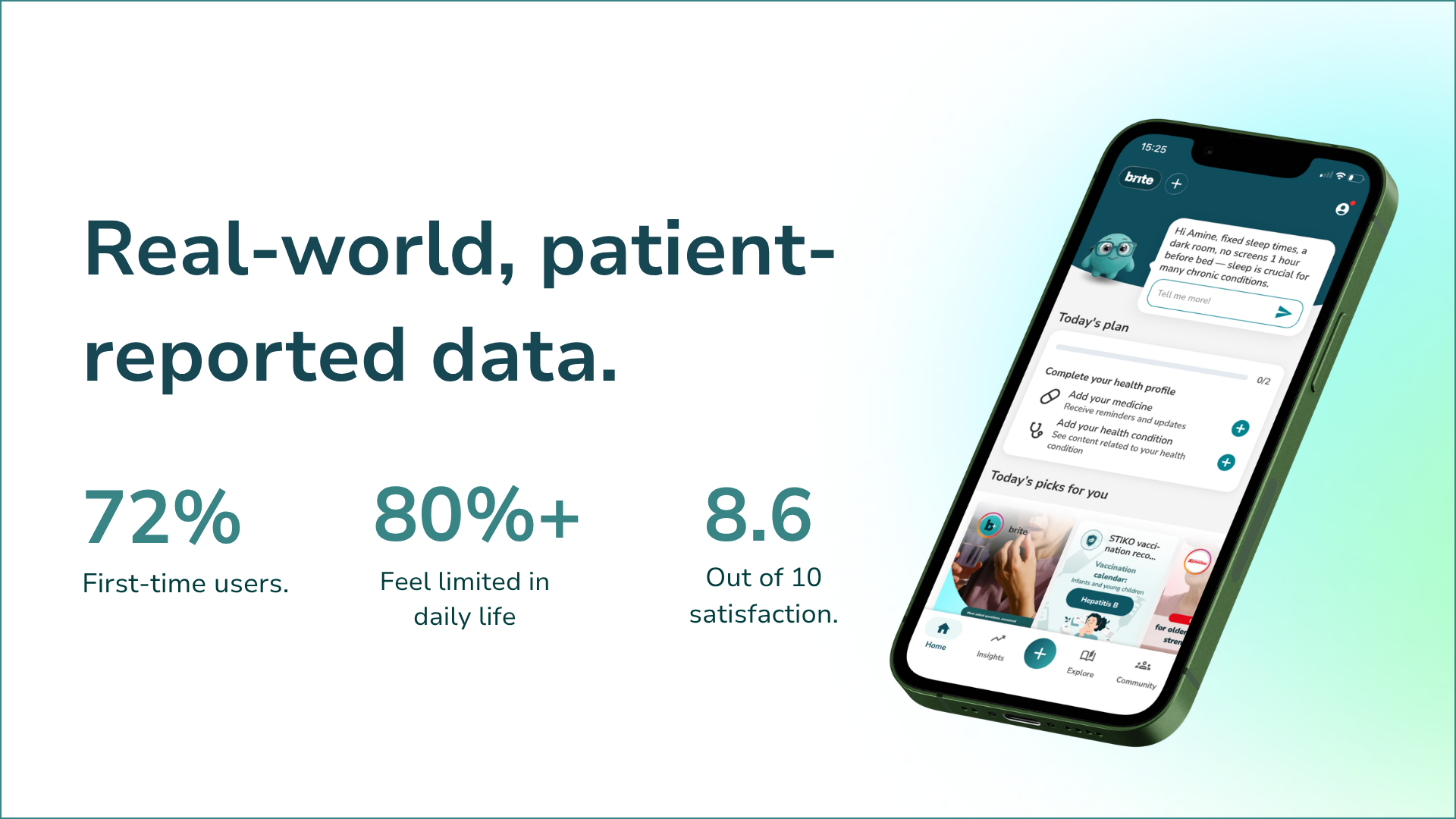
From clinical trials to real life, the story of a medicine truly begins the day it reaches patients. Clinical studies may demonstrate that a therapy is safe and effective under carefully controlled conditions. But everyday healthcare is far more complex. Patients have comorbidities, demanding schedules, varying levels of health literacy, and different support systems. That gap between proven in a trial and working in daily life is where patient-generated data becomes transformative, and why it is one of the most influential forces shaping digital health in 2026.
Patient-generated data refers to health-related information that patients create, record, or report outside traditional clinical visits. This includes symptom tracking, treatment experiences, medication adherence patterns, side effects, quality-of-life feedback, and other insights shared through digital platforms. When collected in a structured and continuous way, this data evolves from simple feedback into actionable real-world evidence.
Why clinical trials don't tell the full story
Randomized controlled trials are designed to answer a precise question: Does a therapy work, and is it safe, under controlled conditions? To achieve clarity, trials narrow eligibility criteria and standardize environments. The result is high-quality evidence, but not always representative evidence.
In the real world, patients rarely resemble average trial participants. They may take multiple medications, live with other chronic conditions, or face socioeconomic barriers that affect adherence. Outside the structured environment of a study, behaviors that determine treatment success, such as understanding instructions, managing side effects, staying motivated, and maintaining routines, are no longer closely monitored.
Clinical trials primarily measure effectiveness, whether a treatment can work under ideal conditions. Patient-generated data helps measure effectiveness, what happens when patients live with a therapy over time in the context of daily life.
What patient-generated data captures that traditional data misses
A common misconception is that patient-generated data is less reliable than clinical metrics. In reality, it often provides the missing context that explains why outcomes vary. It captures the lived experience of treatment, including the barriers and motivations that rarely appear in medical records.
A patient might still be listed as on therapy in prescription data, yet their own reports reveal missed doses, confusion about instructions, self-adjusted timing, or side effects that lead to quiet discontinuation. A lab value may remain stable while a patient's quality of life deteriorates due to fatigue, sleep disruption, anxiety, or other daily impacts. These factors can strongly influence whether a patient continues treatment and whether the therapy delivers its intended benefit.
When captured consistently and in a structured way, patient-generated insights become an evidence layer that complements clinical and administrative data rather than competing with it.
How Patient-Generated Data Strengthens Real-World Evidence
Real-world evidence has become increasingly important because it reflects how therapies perform across wider populations, over longer time horizons, and in less controlled environments. Patient-generated data plays a central role because it captures outcomes and experiences that are often missing from claims data or electronic health records.
This is especially relevant for safety and tolerability monitoring. Traditional reporting of adverse events can be delayed, incomplete, or inconsistent. Patients may not report side effects because they are unsure whether they are important, assume they are normal, or simply do not have an easy channel to share what is happening. A well-designed digital journey can make it easier for patients to report experiences in real time, improving the completeness and timeliness of safety insights.
Over time, these insights can help identify patterns, refine educational materials, support better patient counseling, and improve therapy support programs.
Why 2026 Is Shifting Toward Continuous Evidence
Historically, many organizations have approached patient insight collection as an occasional exercise. They run a survey, initiate a post-launch study, or conduct periodic assessments. The challenge is that patient experience changes over time. Side effects may peak after several weeks. Motivation may drop after the first refill. Confusion can appear later, when routines change or life becomes more stressful.
The digital health shift now is toward continuous evidence generation, where patient feedback is captured as part of an ongoing care experience. Instead of learning from snapshots, organizations can understand the entire therapy journey.
This approach makes it possible to detect early drop-off risk, personalize education when it is most needed, and surface emerging trends before they become widespread issues.
How Patient-Generated Data Improves Outcomes in Practice
When patients share insights regularly, it becomes easier to support them in ways that directly improve real-world outcomes.
The first impact is better adherence and persistence. Many adherence issues are not caused by lack of motivation. They are practical problems: side effects, unclear instructions, fear, stigma, schedule friction, uncertainty about whether the therapy is working, or feeling unsupported. Patient-generated data helps identify which barrier is present and when it appears, so interventions can be timely, relevant, and patient-centered.
The second impact is improved education. When patterns emerge in what patients are experiencing, education can become more proactive and more personalized. If many patients struggle during a certain phase of therapy, content can be adapted to normalize common experiences, offer practical coping strategies, and clarify what to expect.
The third impact is stronger safety visibility. Even when side effects are not severe, patterns still matter, especially if they influence discontinuation or quality of life. Earlier and clearer signals can support improved clinical decision-making and better overall patient support.
Trust and Patient Experience Determine Data Quality
One of the most overlooked factors in patient-generated data is trust. Patients share honest insights when they believe the experience is designed to help them, not simply to collect information.
The best digital health experiences reduce burden, communicate clearly, and are transparent about how information is used. They only ask what is relevant, when it is relevant, and they deliver immediate value in return, such as guidance, education, reminders, reassurance, or helpful next steps.
When patients receive value, engagement grows. When engagement grows, data becomes more complete and more meaningful. That creates a reinforcing cycle where better experiences generate better insights, and better insights enable better experiences.
Closing the Gap Between Clinical Promise and Real Life
In the next phase of digital health, the organizations that lead will not be those with the most data. They will be those with the most meaningful patient insight and the ability to act on it quickly and responsibly.
Patient-generated data helps close the gap between clinical promise and real-world outcomes. It turns therapy journeys into learning systems. It strengthens real-world evidence, improves adherence support, and enhances the understanding of patient experience at scale.
Because in real life, the therapy is not the whole story. The experience is.
Would you like to find out more or are you interested in XO Life?
Get in touch now, get a demo or answer individual questions in a personal conversation.
Discover even more informative articles
A selection of our latest blog posts for you.


Build meaningful relationships with your patients
Have we sparked your interest or do you have specific questions for us? Let us show you how we can brite up your patients health journey.
I am your personal contact:
Zdenka Vesely
Chief Client Officer
